Interior Wood Staining in The Ledges, St. George
Interior wood staining requests in The Ledges can cover timber beams, solid-core doors, handrails, trim, and built-ins. The quote should define preparation, sample approval, sheen, protection, and realistic expectations for blending new and existing finishes.
Color matching and consistency
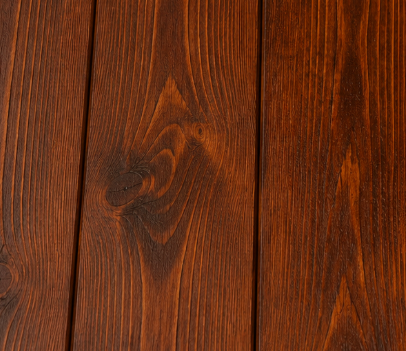
Whether a single replacement door or new trim is being added, different wood species and grain patterns absorb stain differently. Existing clear coats and years of light exposure also shift the comparison. Ask for samples on representative wood and approve the closest practical blend before authorizing the full scope.
The clear coat matters
The stain provides color; the clear coat affects sheen, feel, chemical resistance, and maintenance. The quote should identify the proposed finish type, number of coats, sample sheen, cure expectations, and whether the selected product may warm or change color over time.
Dust control and interior protection
Interior staining can require significant sanding and strong masking. No process makes an occupied home completely dust-free, so the scope should identify containment, extraction, HVAC protection, ventilation, daily cleanup, and when rooms can be used again.
Questions homeowners ask
Can you match existing interior stain colors? A provider can create samples to get close, but wood species, grain, age, and the existing clear coat affect the result. Approve a sample on representative wood before authorizing the full scope.
What interior wood surfaces do you stain? Requests can cover exposed beams, solid-core doors, window casings, baseboards, handrails, and custom built-ins. The quote should identify whether each surface needs stripping, sanding, color work, or only a new clear coat.
What affects the cost of interior wood staining? Surface area, access, wood species, existing finish removal, repairs, sample development, masking, number of coats, sheen, and ventilation or cure constraints all affect price.
Request Staining Estimate